
Coaching Advanced Improvisers: Why Practice Needs To Be Fun
And how deliberate play is key!

Hello!
Today, we’re going to discuss another strategy for coaching improvisers in the conscious competence phase, or when improvisers can intentionally do good improv. Last week, we talked about how improvisers need deliberate practice to help them fine-tune their technique and break bad habits.
Improvisers in this phase are particularly voracious. They’re usually on multiple improv teams and in two classes at any given time. They’re getting in the reps, which is great!
But they’re also at risk of turning improv into a grind.
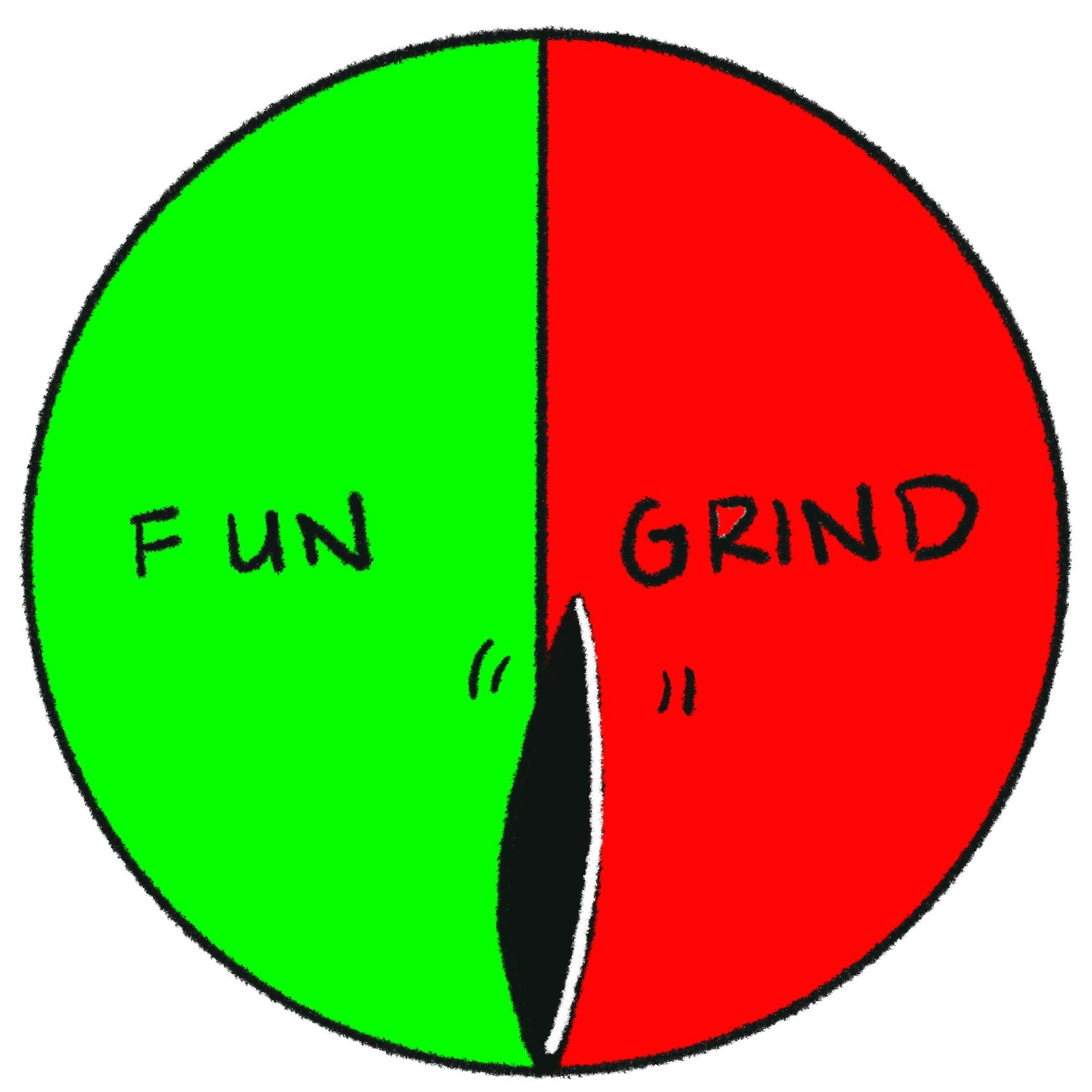
They become so hyperfocused on improving that they cease to have fun.
And then they burn out.
This isn’t just a problem in improv. It’s a hallmark of all pursuits of excellence. Professional athletes, medical residents, Spiderman (probably)...the risk of burnout increases the higher they climb up the ladder.
So…how do we protect joy?
What Steph Curry Can Teach Us About Deliberate Play
I first encountered the concept of deliberate play in Adam Grant’s Hidden Potential: The Science of Achieving Great Things. He dedicates a whole chapter to the idea, which was originally introduced by Jean Côté and his colleagues in the mid-2000s as a counterpart to Anders Ericsson’s deliberate practice.
Deliberate play dares to ask, what if skill-building could be fun?
A prime example is Steph Curry. In high school and college, Curry wasn’t a stand-out. He struggled to stay motivated doing mindless drills. The grind killed the joy.
Then in 2011, coach Brandon Payne changed everything.
Payne designed high-pressure, competitive games like “21” for Curry where he had to earn 21 points through three-pointers, mid-range shots and lay-outs while sprinting back and forth to the half-court line between each shot. Payne managed to capture the magic of what made basketball fun for Curry and infused it into his practice.
More recently, Curry went viral for conditioning by sprinting up sand dunes in Dubai and Abu Dhabi.

This guy knows how to create a good time. He also knows that having a good time is critical to his competitive edge.
Curry and Payne demonstrate that grit alone isn’t enough.
Joy is the fuel.
How To Incorporate Deliberate Play
Central tenants of deliberate play include:
Fun, structured challenges
Novelty and variety
Prioritizing intrinsic motivation
Here’s how we can incorporate deliberate play into improv practices.
Plan pointed exercises that are also fun
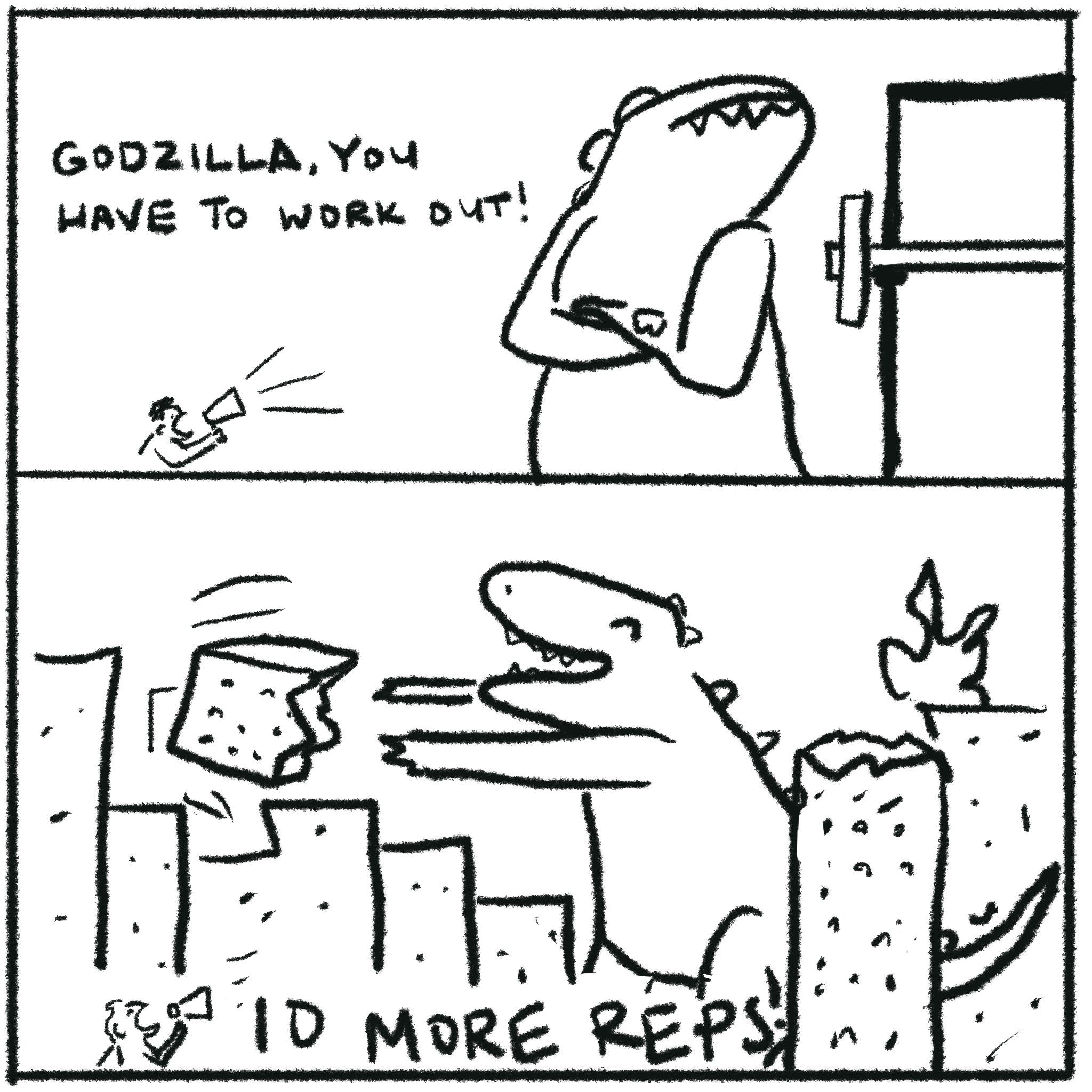
Instead of running montages or scene work over and over, it can be more productive to run fun, challenging exercises that target a specific skill.
Example: For practicing clear premise-drops, the exercise “Blind Initiation” stands out where half the team leaves the room while the other half does an opening and then initiates to the improvisers who didn’t hear it. This usually encourages improvisers to be hyper-clear with their premises and the players who were out of the room to listen more and work harder to get on the same page. It’s fun to challenge improvisers to land on a place of agreement as quickly as possible.
Make room for novelty and variety
I think a lot of improvisers are initially attracted to improv for the novelty so forcing them to run Harolds over and over again in practice seems like its own kind of torture. Don’t get me wrong, reps are important, but there are ways we can inject some newness into it.
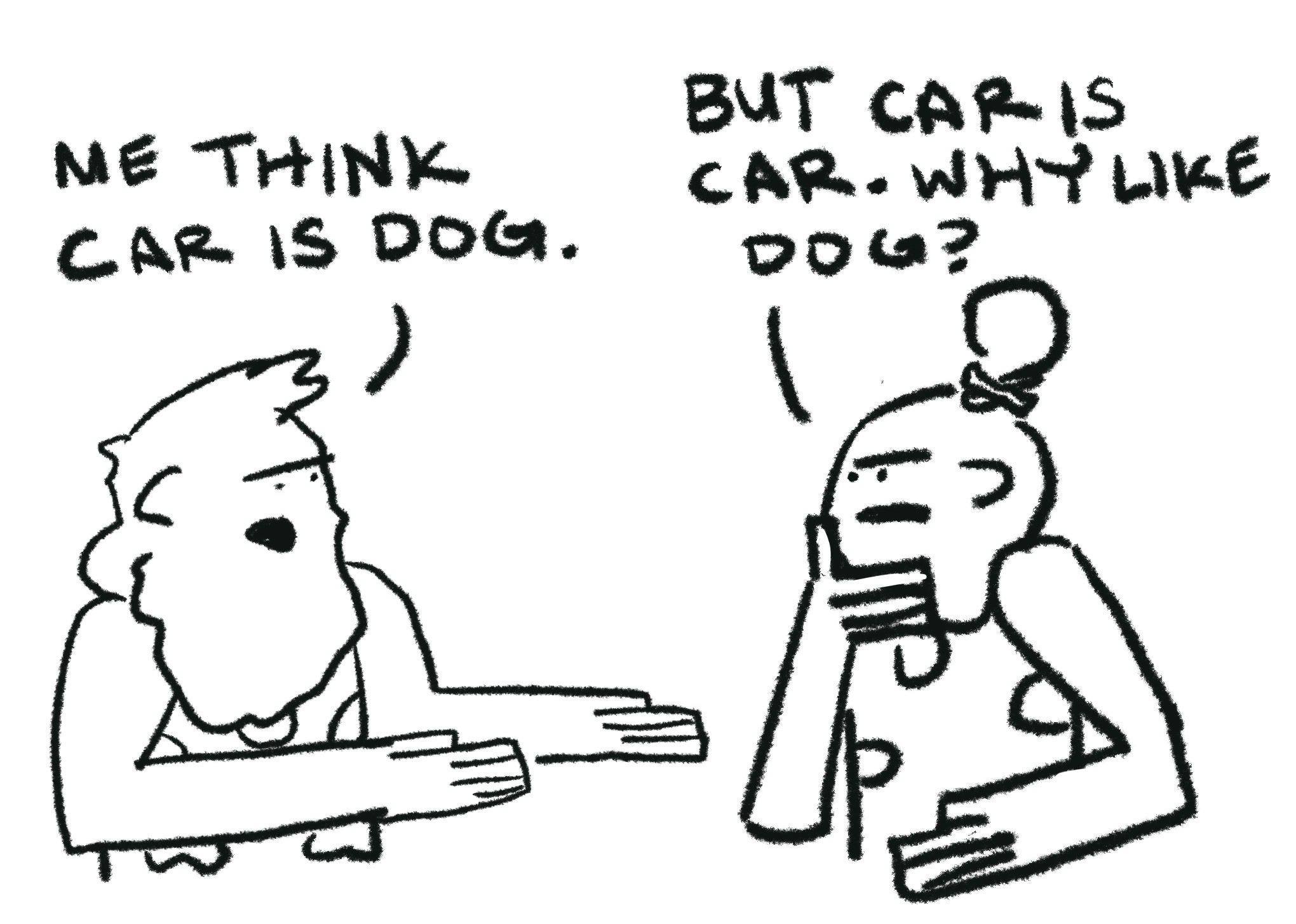
Example: I like to run caveman Harolds, where everyone has to talk like a caveman. Still a Harold, but suddenly it’s slower paced, simpler, and everyone sounds dumb in a great way. Speed Harolds (15 minutes or less), genre Harolds, or backwards Harolds are all help improvisers experience the format differently while giving them a new challenge.
Prioritize Intrinsic Motivation over External Motivation
The goal of deliberate play isn’t to “gamify” everything. It’s to prioritize joy and play in the learning environment. As I’ve already mentioned, joy and play are crucial to performer motivation and preventing burnout over time. As coaches, we can do this not only in how we design sessions, but also in how we approach feedback.
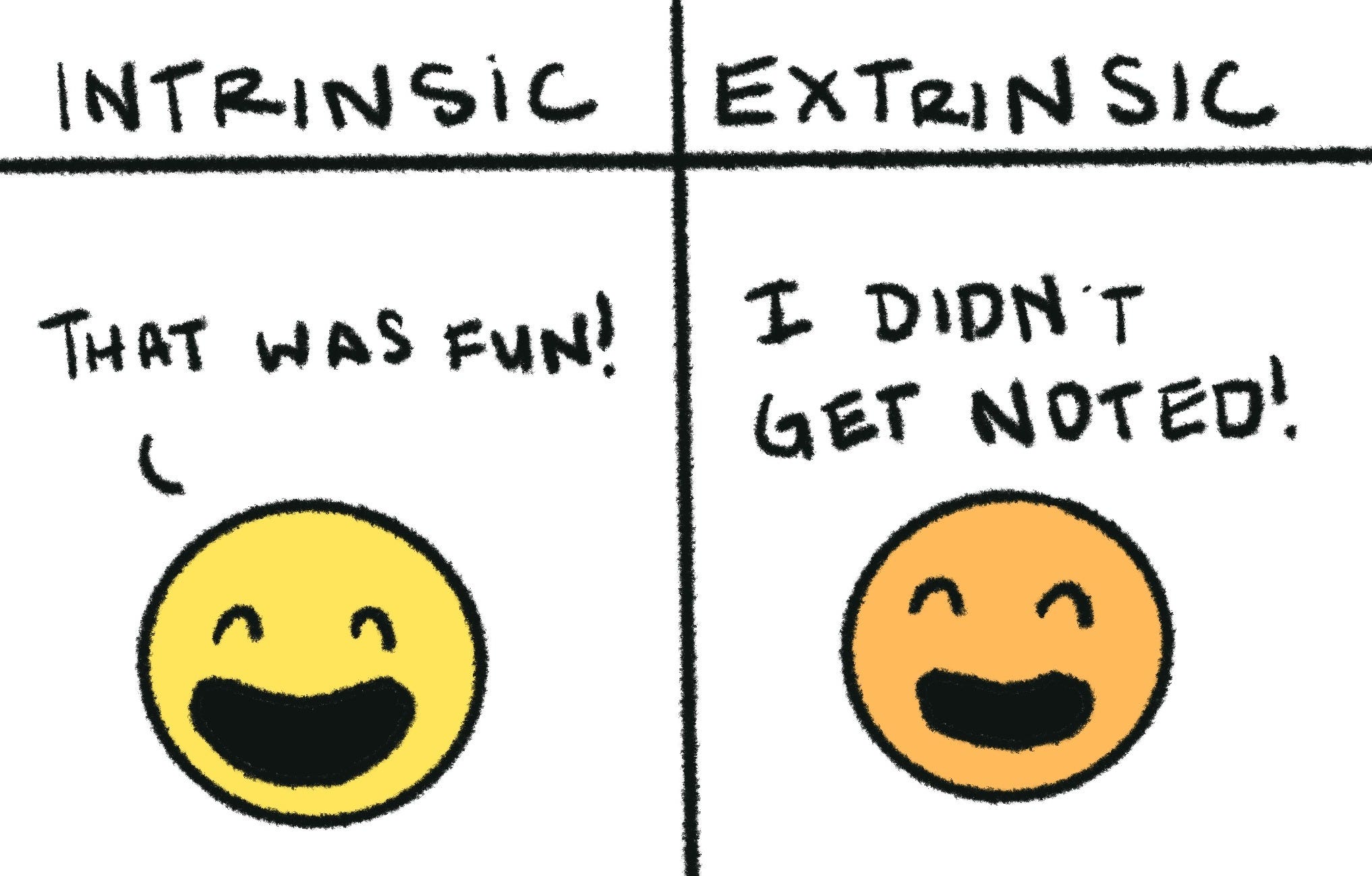
Example: On a broad level, before I go into show notes, I like to ask improvisers to mention when they were having the most fun in a set. The goal is to get them to connect with their joy and clock those moments so they continue to do more of them in the future. Even when asking people about premise-pulls from the opening, coaches at UCB have begun to shift from asking “What premise did you pull?” to “What made you find funny from the opening?” Turns out, emphasizing joy and working from there is making the art feel more generative and less math-y.
Both Deliberate Practice and Deliberate Play Are Needed
One is not better than the other. Deliberate practice and play each serve an important function in helping improvisers improve.
Here’s an awesome table from Spencer Education that highlights the differences:
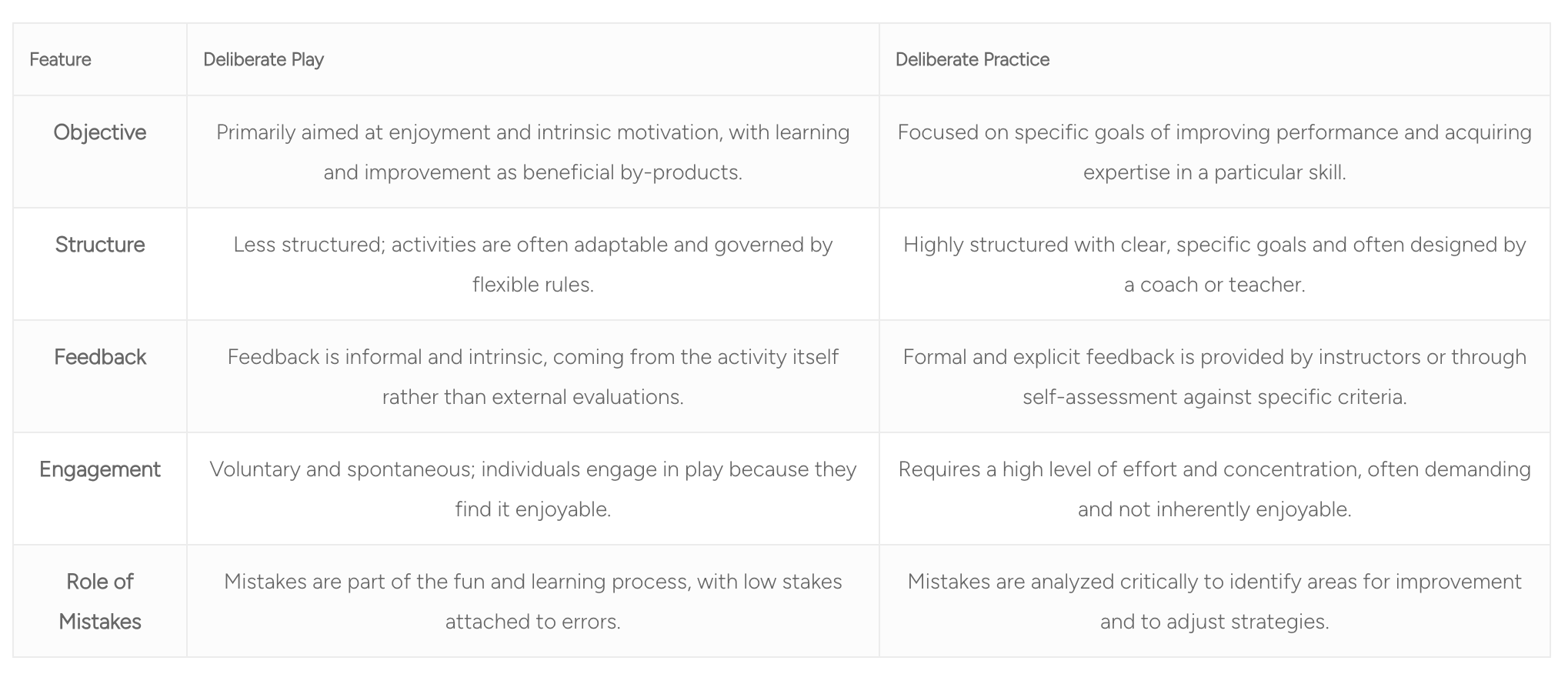
As a coach, the challenge is knowing when to use one or the other.
I personally lean on the side of deliberate play. As someone who’s experienced a lot of burn out, I’m biased toward prioritizing joy.
However, there are times when I feel like a group gets too loose and needs to focus. Then I’ll pop into a deliberate practice orientation so I can get us on the same page so we can have fun again. Similarly, if a group starts to feel joyless, I’ll plan a more play-forward practice.
Even with all these tools and approaches, improvisers during this stage may still struggle to progress to the next phase: subconscious competence.
Next week, I’ll go into why and how we can help. Until then, I’m curious for your thoughts! Do you lean toward deliberate play or practice? How do you navigate the two?
I think this concept shows up earlier with the Green improvisers and Advanced Beginners too. Sometimes they want to work towards a goal so bad that they miss the "have fun" part.
For me I think attendance affects which style I lean towards. If I want a troupe to get better at something I'll tend towards deliberate practice if they are all there, but if a few people are missing then it doesn't make sense for some of the cast to focus on a specific skill while others miss the jam and won't be on the same page. In those cases I tend to make jams more Deliberate Play.
I am both loving these posts, and side-eyeing my improv teachers. "You mean you DIDN'T plan that short-form session because it was an inherent part of the curriculum, but because we were being way too intense about long-form and you wanted to bring some joy back into it? I feel BETRAYED!"